The Women’s History Network is delighted to announce four new Independent Researcher grants for the coming academic year. The grants provide financial support to those working on women’s history outside of academia. Full details of their projects are as follows:…
All Posts
Autumn 2021 Seminar Series Programme
Building on the success of last year’s series, the Women’s History Network seminars are back for 2021-22! All events take place on Wednesdays at 4pm (UK) on Zoom. Details about each seminar and the registration link can be found…
WHN Schools History Prize 2021 – Prizewinners

Tahaney Alghrani School’s Liaison Officer This year we challenged the students to create a poster which illustrates one of two themes: Extraordinary women working for today and tomorrow. Heroines who have made an impact locally, nationally or internationally in the past…
15th September 2021: Women and Finance in Twentieth-Century China
Wednesday, 15th September 2021, 4pm (UK) Women and Finance in Twentieth-Century China Join us for this exciting double-bill event. Register for your place on the Zoom webinar: https://us06web.zoom.us/webinar/register/WN_PJIMvAD_QteAqvBZ0kulig ‘Women, Inheritance, and Property Expansion in the Republican Period…
Writing the Life of Millicent Price, Suffrage Campaigner, by Lucienne Boyce
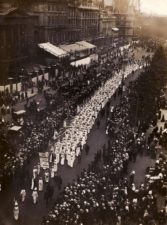
In 2020 I wrote a piece for the WHN blog about the biography I’m not writing. In ‘Giants and Geniuses’ https://womenshistorynetwork.org/giants-and-geniuses-by-lucienne-boyce/ I explained my decision not to write about someone very famous, or someone who’s described as a ‘giant’ or…
WHN MA Dissertation Prize 2021
The Women’s History Network is offering one £250 prize for a Masters dissertation on any aspect of women’s or gender history (though substantially focused on women) written during the 2020-2021 academic year. We welcome research on any period and place:…
WHN Early Career Fellows 2021/22
The Women’s History Network is delighted to announce the appointment of four new Early Career Fellows for the coming academic year. The Fellowships provide scholars with a bursary of £1,500 and are designed to support exciting and innovative research into…
Women’s History Today Summer 2021
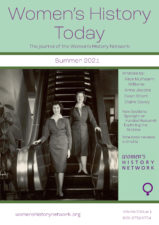
The new look Summer 2021 edition issue of Women’s History Today is now available for purchase. The digital version of this edition is available free to all members – see details below.
Gendering International Affairs: Winifred Coombe Tennant and the League of Nations Assembly, 1922, by Robert Laker
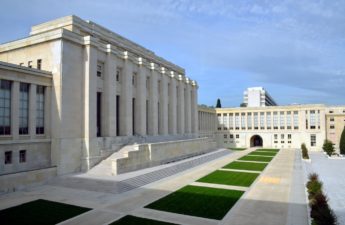
In the summer of 1922, Winifred Coombe Tennant (1874-1956) was selected as a delegate to the Third Assembly of the League of Nations, making her the first woman to ever represent Britain at this international organisation. In this pioneering role,…