Harry J. Mace presented the paper ‘CEO of the Netherlands’: Performing Gender at the Dutch Court c. 1980 – 1999 at the 2015 Women’s history Network Conference held at the University of Kent. Harry is an undergraduate international, political and gender historian…
All Posts
Political Well Travelled Women at Paddington Station
Women are not only amongst the ‘firsts’ in travelling as drivers, designers, and workers. Their membership of organisations associated with travelling and political contribution to improving travel are also recorded in the Paddington Station exhibition dedicated to their cause.…
Well travelled women take over Paddington Station
Part 1 The home of Brunel and Paddington Bear was recently taken over by an exhibition of women’s historical contribution to travelling and designing modes of travel. The colourful posters begin with celebrating Minnie Palmer as the first woman…
Volunteers and Voters: The First World War and its Legacy
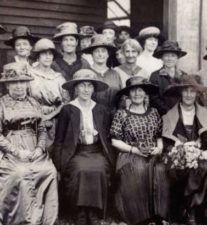
Call for Papers: Saturday, 12 November 2016 University of Worcester, Henwick Grove, Worcester, WR2 6AJ. The Conference is organised by: The Women’s History Network, Midlands Region The University of Worcester’s annual Women’s History Conference seeks papers for next year’s event…
Home, Food and Family in WWI
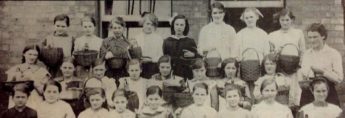
Saturday 5 March, 2016: A conference organized by the Women’s History Network, Midlands Region and the Voices of War and Peace. WWI Engagement Centre, Avoncroft Museum of Historic Buildings, Stoke Heath, Bromsgrove, Midlands B60 4JR. The Dig for Victory campaigns of the Second…
Women’s History Seminars
Institute of Historical Research, University of London, Senate House, Malet Street IHR fortnightly, Fridays at 17.15 in Room 203 (John S. Cohen Room) All are welcome 22 January Lucy Bland (Anglia Ruskin) Interracial Relationships and the “Brown Baby Problem”: White British Women, Black GIs…
Women’s History Autumn 2015
Download the PDF edition of this journal here. Purchase this journal as a hard copy here. Special issue on ‘Teaching Women’s and Gender History ’. Contents Lucinda Matthews-Jones on Teaching Women’s and Gender History: Introducing Our Past, Present and Future,…
Horrible Histories? Children’s Lives in Historical Contexts
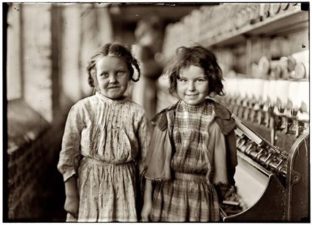
16 and 17 June 2016, King’s College London It is now over forty years since the bold declaration of psychohistorian Lloyd deMause that ‘The history of childhood is a nightmare from which we have only recently begun to awaken’. Stirred…
2015 Conference – Female Agency, activism and organization
This year’s Women’s History Network Conference on the theme of Female Agency, Activism and Organisation took place at the University of Kent in Canterbury. The conference drew in researchers from Australia to Canada, and from Italy to the UK, covering…