Winifred Holty Lee Karen Stow; Hull History Centre; James Reckitt Library Trust; Hull City Council Central Library Winifred Holtby’s First World War experience, and the effect it was to have on her vision for a better world, helped shape the…
All Posts
WHN COMMUNITY PRIZE ENTRIES 2015 – PART 2
Blaggards in Bonnets Jewish Museum This exhibition explored the stories of Jewish women involved in the fight to gain electoral representation in their communities and wider British society. It was accompanied by a lively social media campaign extending the reach…
Voluntary Action History Society 25th Anniversary Conference

Call for Papers: We are pleased to announce that the Voluntary Action History Society’s 25th Anniversary Conference will take place at the University of Liverpool, UK, between 13th and 15th July 2016. The theme is THINKING ABOUT THE PAST, THINKING…
WHN Community Prize Entries 2015 – Part 1
Here are details of the first set of entries for this year’s WHN Community Prize. Winners will be announced at the WHN annual conference. Aberdeen Women’s Heritage Trail Aberdeen Women’s Alliance, Glasgow Women’s Library and Aberdeen’s Central Library This project…
Serendipity in the Archives – Finding something when least expected!
One of the Manchester signatories was a woman called Marguerite AC Douglas. I had not heard of her before. I couldn’t find any reference to her in the suffrage papers nor in the 1911 census for Lancashire. Was she a suffragist? Or was she involved in the trade union or other campaigns supported by Ashton? Was she evading the 1911 census? There is no mention of her in the wonderful book about some of the women who signed the letter, Doers of the Word by Sybil Oldfield, which is an inspirational and humbling publication … I could find nothing about the elusive Marguerite Douglas and put her to the back of my mind.
But then, just when I was thinking about something else completely …
IFC – Isabella Forsyth Christie – Later Bews
Isabella Forsyth Christie didn’t stay in Rannoch long, just two years, but it was to have a great influence on her life and, after a career that took her back to North Uist and to Argyll, she retired to Kenmore, just over the hill from Rannoch and died there in 1933. By then she was a married woman, having wed John Bews in 1913, when she was forty eight. John Bews was the tailor in Kinloch Rannoch, and she must have met him there seventeen years before. She has no descendants and her life story died with her husband until the quilt reappeared some seventy years later …
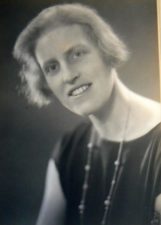
Celebrating the Life of Winifred Holtby (1898 – 1935)
Saturday 19 September 2015 – 10.00 am – 4.00 pm Join us at Hull History Centre to celebrate the life of Yorkshire born novelist, journalist and political activist. Exhibitions and talks will explore the diverse interests of one of the most popular…
Eleanor Rathbone Symposium
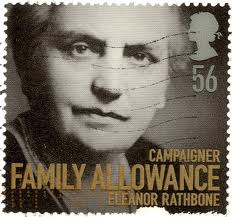
From Somerville to Westminster, 1893 – 1946 A one-day Symposium and room-naming ceremony to be held at SOMERVILLE COLLEGE,OXFORD to commemorate the 70th anniversary of the death of Eleanor Rathbone (1872 – 1946), Somerville’s first Member of Parliament. Friday 22 January 2016, 9.30 am – 4.30pm.
Online women’s history course
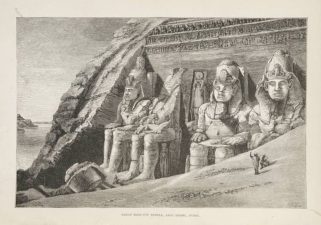
Continuing Education at the University of Liverpool is running a short 5-credit online women’s history course focusing on exploration and science in the 19th-early 20th century. Women and Exploration will run from September 7 2015. All are welcome; to find…